
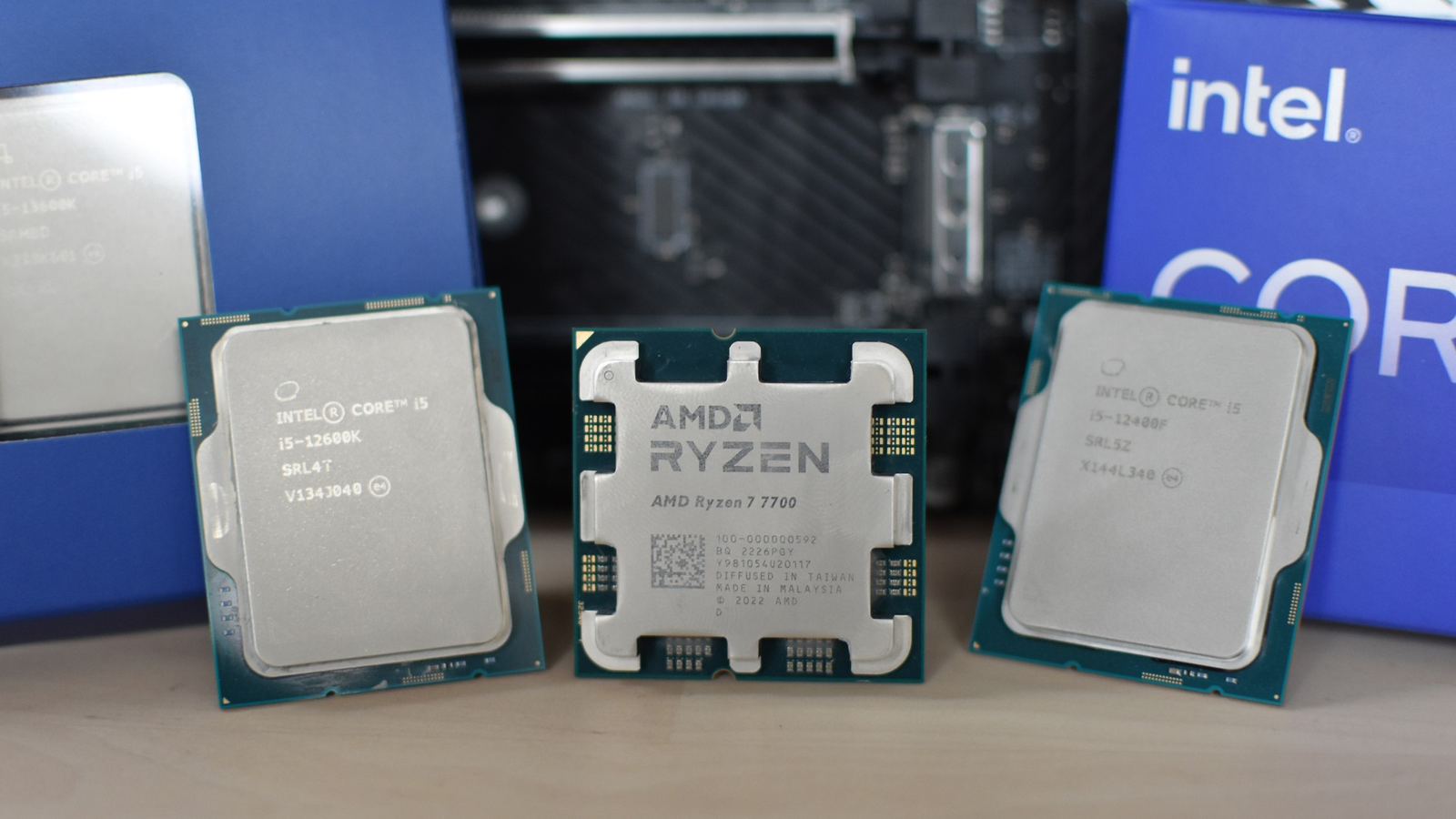

Picking a CPU in 2026 is honestly less confusing than it used to be, but there’s still a real gap between “best” and “best for you.” A few years ago the conversation was mostly about clock speed and core count, and you could get away with just grabbing whatever topped the charts. That’s changed. AMD’s X3D lineup has completely rewritten the gaming conversation, and the extra 3D V-Cache stacked under (or on top of) the compute die means these chips are eating up nearly every benchmark chart you’ll find right now, sometimes by a wide margin over CPUs that look identical on paper. Intel hasn’t been sitting still either.
The Arrow Lake refresh brought some genuinely useful tuning, like assembly-level optimizations for supported games, and clawed back enough ground that a couple of their chips are worth serious consideration again, especially if you’re not fully bought into the AMD ecosystem. On top of all that, platform costs matter more this year than they have in a while. DDR5 prices are climbing, and depending on what socket you’re coming from, a new motherboard might be part of the bill too, so the “best” CPU isn’t always the smartest buy once you factor in the whole build. Below are the five CPUs actually worth your money right now, along with a breakdown of what makes each one tick and who it’s really built for, so you can match the chip to your budget and your use case instead of just chasing a number on a chart.
Best CPU For Gaming:
- AMD Ryzen 7 9850X3D — Best Overall CPU
- AMD Ryzen 7 9800X3D — Best Value
- AMD Ryzen 9 9950X3D2 — Best Performance
- Intel Core Ultra 5 250K Plus — Mid-Range CPU
- AMD Ryzen 5 7600X — Budget CPU
- AMD Ryzen 5 8600G — Entry-Level CPU
AMD Ryzen 7 9850X3D
| Spec | Detail |
|---|---|
| Cores / Threads | 8 / 16 |
| Architecture | Zen 5 (Granite Ridge) |
| Base / Boost Clock | 4.7 GHz / up to 5.6 GHz |
| L3 Cache | 96MB (3D V-Cache) |
| Total Cache | 104MB |
| TDP | 120W |
| Socket / Platform | AM5 (X870E, X870, B650, X670 series) |
| Memory Support | DDR5-5600 (DDR5-6000+ stable in practice) |
| Overclocking | Unlocked, PBO + Curve Optimizer supported |
| MSRP | ~$499 (street price often $450-$470) |
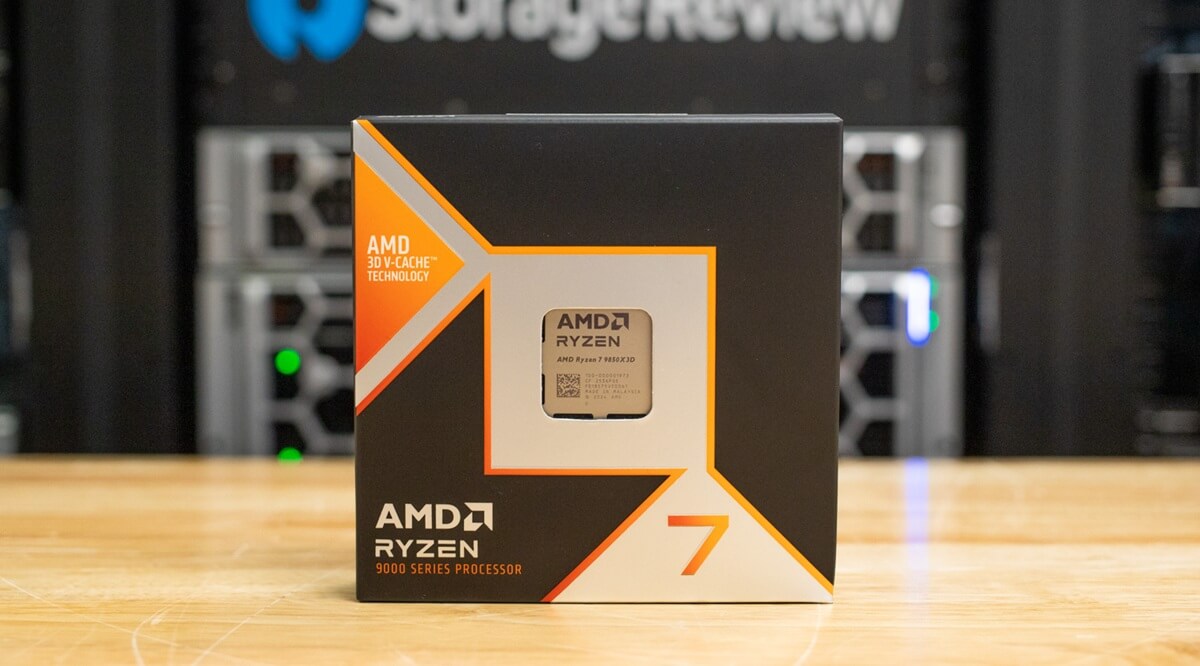
If you want the fastest gaming chip on the market and don’t want to think twice about it, this is the one. AMD bumped the clock speed by 400MHz over the 9800X3D, and that’s enough to push it to the top of pretty much every benchmark chart right now. The 8-core, 16-thread setup isn’t anything new on paper, but the tuning underneath (faster die-to-die interconnect, tightened latency) is what actually shows up in frame rates. It runs warm under sustained load, so don’t skimp on the cooler.
The catch is that the improvement over its predecessor is small. We’re talking a few percent in most titles, sometimes nothing at all depending on the game. At MSRP the price gap is only around $20, so if you’re buying new, it’s not a hard sell. But since the 9800X3D’s price has dropped since this chip launched, the value math shifts pretty quickly toward the older chip unless raw bragging rights matter to you. Still, if you want the single fastest gaming CPU you can buy today with zero asterisks, this is it.
AMD Ryzen 7 9800X3D
| Spec | Detail |
|---|---|
| Cores / Threads | 8 / 16 |
| Architecture | Zen 5 (Granite Ridge) |
| Base / Boost Clock | 4.7 GHz / up to 5.2 GHz |
| L3 Cache | 96MB (3D V-Cache) |
| Total Cache | 104MB |
| TDP | 120W |
| Socket / Platform | AM5 (X870E, X870, B650, X670 series) |
| Memory Support | DDR5-5600 |
| Overclocking | Unlocked, PBO + Curve Optimizer supported |
| MSRP | $479 at launch (commonly found $350-$400 now) |
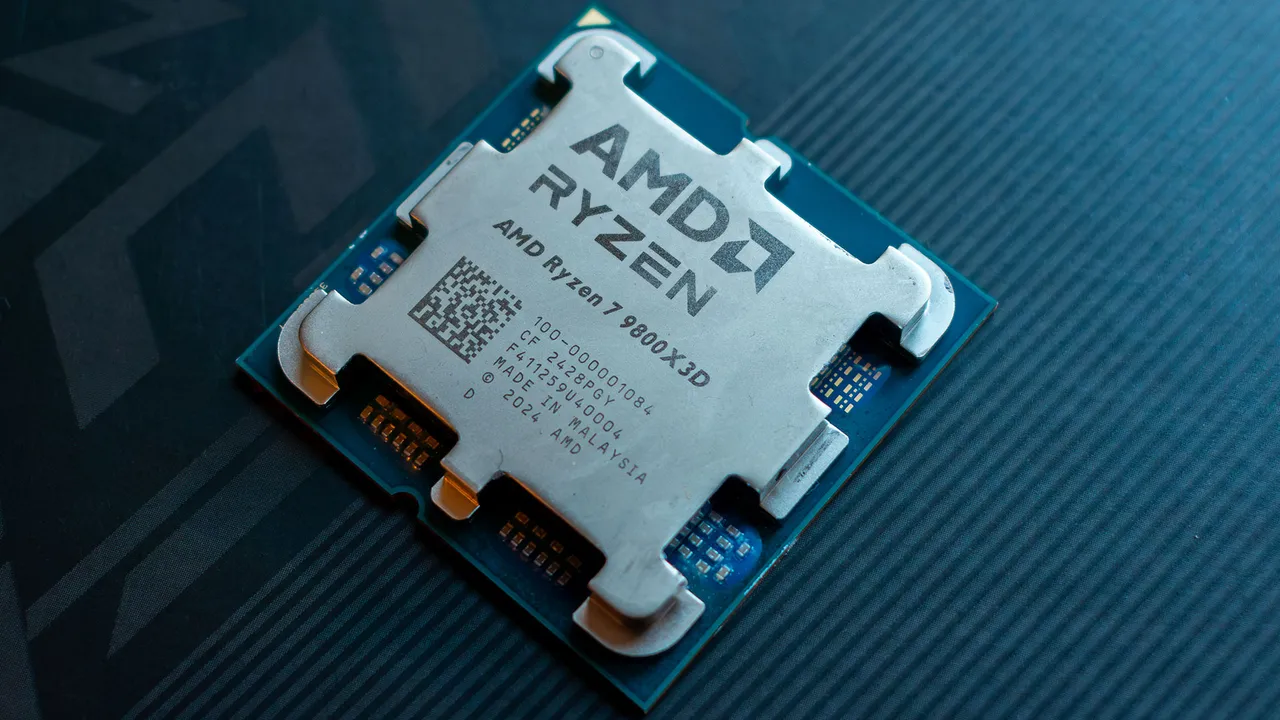
If you want the fastest gaming chip on the market and don’t want to think twice about it, this is the one. AMD bumped the clock speed by 400MHz over the 9800X3D, and that’s enough to push it to the top of pretty much every benchmark chart right now. The 8-core, 16-thread setup isn’t anything new on paper, but the tuning underneath (faster die-to-die interconnect, tightened latency) is what actually shows up in frame rates. It runs warm under sustained load, so don’t skimp on the cooler.
The catch is that the improvement over its predecessor is small. We’re talking a few percent in most titles, sometimes nothing at all depending on the game. At MSRP the price gap is only around $20, so if you’re buying new, it’s not a hard sell. But since the 9800X3D’s price has dropped since this chip launched, the value math shifts pretty quickly toward the older chip unless raw bragging rights matter to you. Still, if you want the single fastest gaming CPU you can buy today with zero asterisks, this is it.
AMD Ryzen 9 9950X3D2
| Spec | Detail |
|---|---|
| Cores / Threads | 16 / 32 |
| Architecture | Zen 5 (Granite Ridge), Dual 3D V-Cache |
| Base / Boost Clock | 4.3 GHz / up to 5.6 GHz |
| L3 Cache | 192MB (stacked on both CCDs) |
| Total Cache | 208MB |
| TDP | 200W (peak platform power up to 270W) |
| Socket / Platform | AM5 (X870E recommended) |
| Memory Support | DDR5, up to 256GB |
| Overclocking | Unlocked, PBO + Curve Optimizer supported |
| MSRP | $899 |
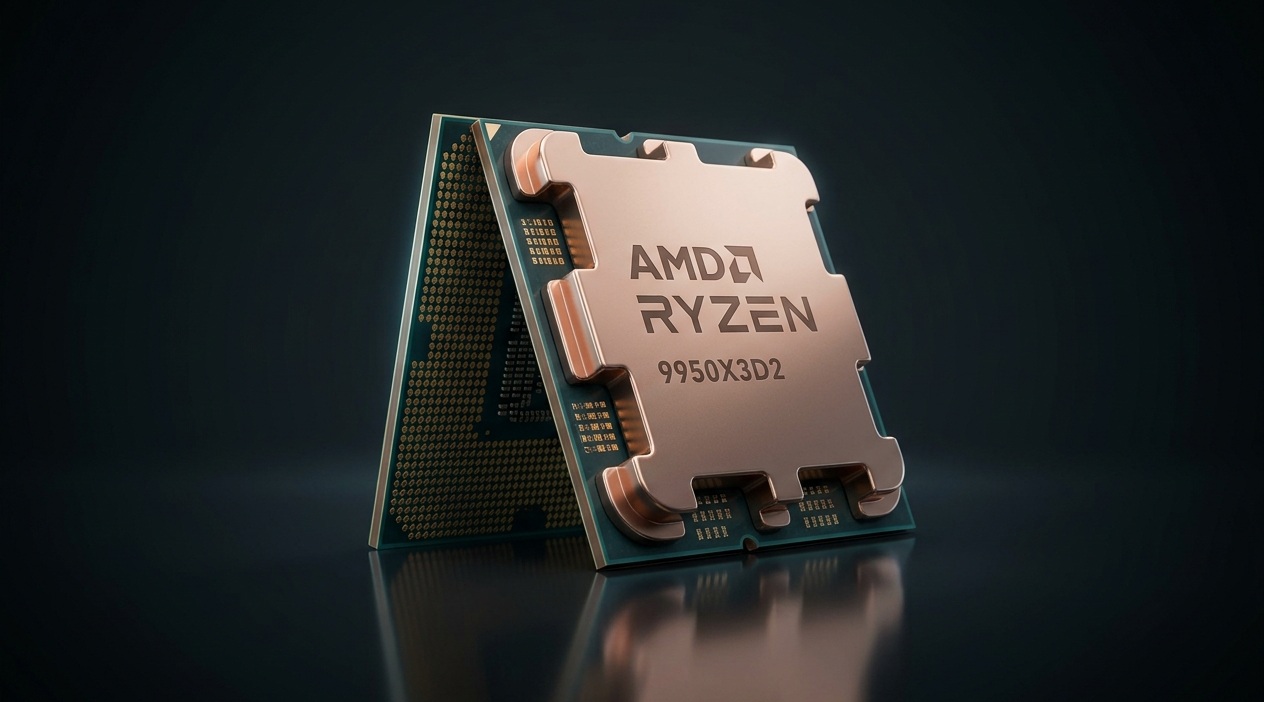
This is AMD’s no-compromise flagship, and the first desktop CPU with 3D V-Cache stacked on both chiplets instead of just one. That fixes the old “bad CCD” problem where some games would land on the chiplet without extra cache and lose performance. With both CCDs carrying cache, scheduling gets simpler and there’s no more lottery on which cores your game actually uses. On top of that you get the full 16 cores and 32 threads, so heavy rendering, compiling, and streaming workloads scale up properly instead of hitting a wall.
The catch is the price tag, and it’s a big one. Independent testing has found the real-world uplift over the regular 9950X3D is often just 0-6% depending on the workload, and in pure gaming it doesn’t meaningfully beat the much cheaper 9800X3D. At $900+, this is a chip for a very specific buyer: someone who needs the absolute highest core count and cache available on AM5, and where gaming is only part of the equation. If you’re building a gaming-first PC, you’re paying flagship prices for headroom you likely won’t use.
Intel Core Ultra 5 250K Plus
| Spec | Detail |
|---|---|
| Cores / Threads | 18 (6 P-cores + 12 E-cores) / 18 |
| Architecture | Arrow Lake Refresh |
| P-core Base / Boost | 4.2 GHz / up to 5.3 GHz |
| E-core Base / Boost | 3.3 GHz / up to 4.6 GHz |
| L3 Cache | 30MB |
| L2 Cache | 30MB |
| TDP (Base / Max Turbo) | 125W / 159W |
| Socket / Platform | LGA1851 (800-series chipsets) |
| Memory Support | DDR5-7200 |
| Special Feature | Intel Binary Optimization (game-specific performance tuning) |
| MSRP | $219-$229 (launched at $199) |
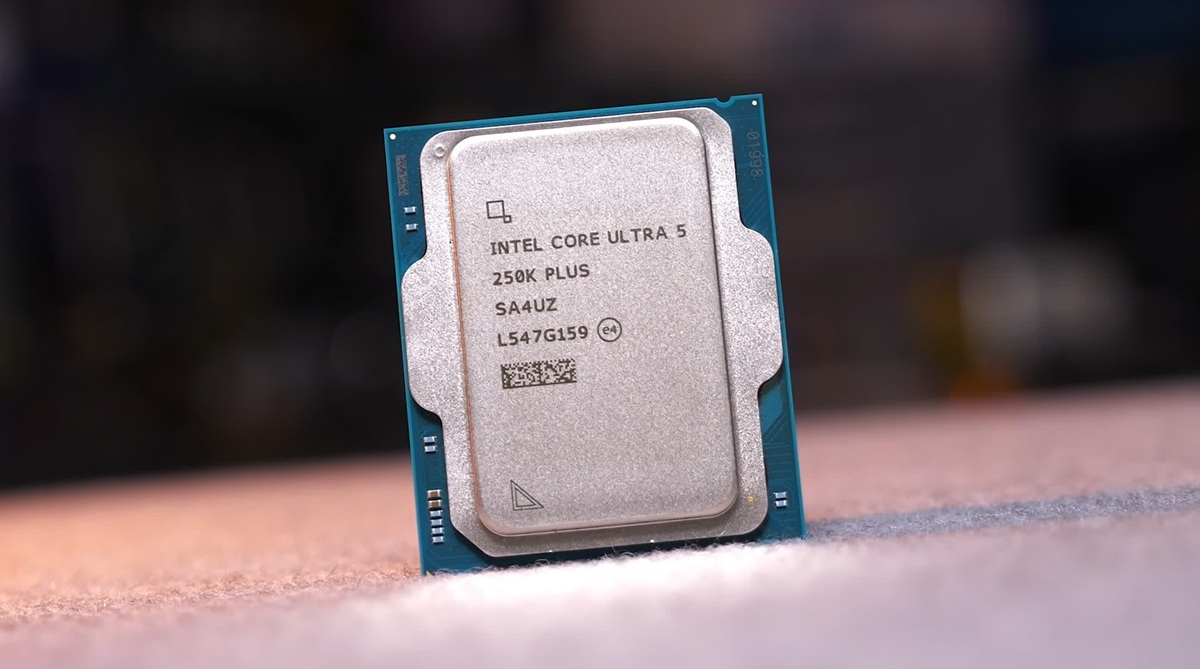
Intel finally has a genuinely compelling mid-range chip again. The 250K Plus packs 18 cores into a $200-ish package, with 6 performance cores handling the heavy lifting and 12 efficiency cores soaking up background tasks like Discord, streaming software, or a browser full of tabs. Gaming performance sits right around AMD’s similarly-priced Ryzen 5 9600X, sometimes a touch ahead, and it’s only a few percent behind Intel’s own pricier 270K Plus.
Where this chip actually separates itself is productivity value. It beats the older Core i7-14700K in application workloads and trades blows with chips that cost noticeably more, which makes it a smart pick if your PC needs to do more than just game. The tradeoff is the platform: LGA1851 isn’t getting a next-gen CPU refresh, so this is more of a “buy it and enjoy it” chip than a long-term upgrade path. For a mid-range build where gaming and everyday multitasking both matter, it’s one of the better all-around values on the market right now.

AMD Ryzen 5 7600X
| Spec | Detail |
|---|---|
| Cores / Threads | 6 / 12 |
| Architecture | Zen 4 (Raphael) |
| Base / Boost Clock | 4.7 GHz / up to 5.3 GHz |
| L3 Cache | 32MB |
| TDP | 105W |
| Socket / Platform | AM5 (A620, B650, B650E, X670, X670E) |
| Memory Support | DDR5-5200, up to 128GB |
| Overclocking | Fully unlocked |
| MSRP | $299 at launch (commonly found $150-$180 now, occasional sales dip it under $150) |
This is last-gen Zen 4 silicon, but that’s exactly why it’s such a good deal right now. Six cores and twelve threads at a punchy 5.3GHz boost clock is still plenty for 1080p and most 1440p gaming, especially once you consider how much has been shaved off the price since launch. It’s not the most efficient chip on the market at 105W, but for the price, that’s a fair trade, and it drops straight into any AM5 board without needing a BIOS update on most boards shipped in the last couple years.
The honest caveat here is that it’s an aging part being kept alive by clearance pricing rather than genuine competitiveness. If you can find the newer Ryzen 5 9600X for close to the same money, that’s the smarter buy thanks to better efficiency and a longer runway on the platform. But if you’re building strictly around budget and can grab the 7600X on a discount, it frees up more of your budget for the GPU, which is where it actually matters most at this price point.
AMD Ryzen 7 5800X3D
| Specification | Details |
|---|---|
| Architecture | Zen 3 |
| Socket | AM4 |
| Cores/Threads | 8 cores / 16 threads |
| Base Frequency | 3.4 GHz |
| Top Boost Frequency | 4.5 GHz |
| TDP | 105W |
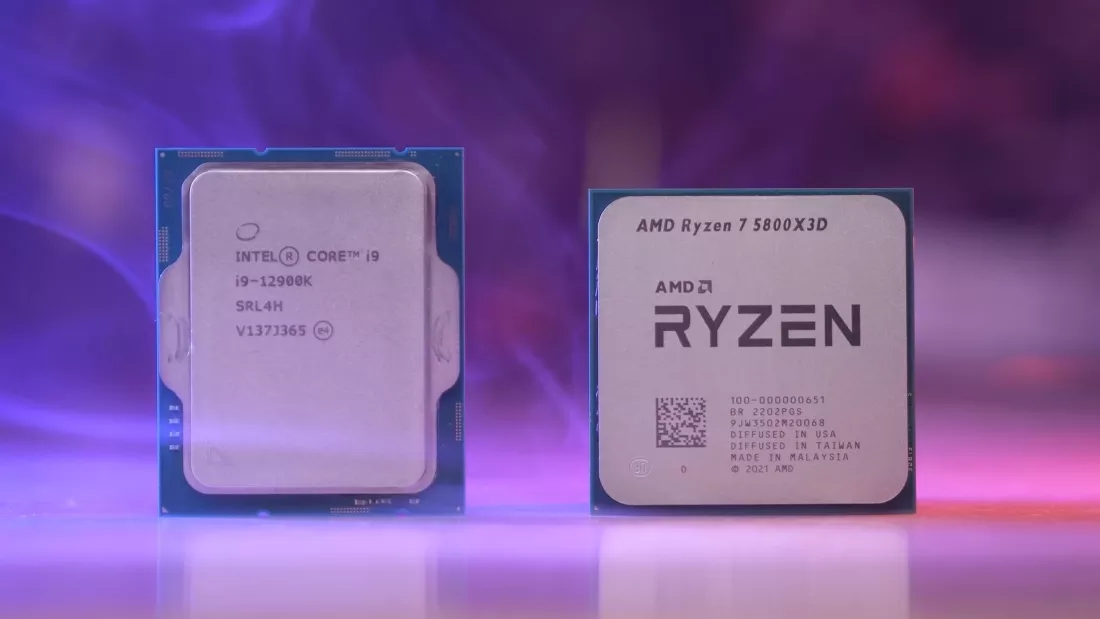
The AMD Ryzen 7 5800X3D, priced at $338, remains a strong contender in the market despite the arrival of the newer Ryzen 7 7800X3D. This chip, featuring innovative 3D V-Cache technology, boasts an impressive 96MB of L3 cache, delivering outstanding gaming performance. It’s a great choice for those seeking high performance at a more budget-friendly price, especially for users with existing AM4 motherboards dating back to 2017. The 5800X3D’s lower power consumption compared to Intel’s alternatives means it operates cooler and quieter, reducing the need for expensive cooling solutions and power supplies.
However, the 5800X3D has its trade-offs. The 3D V-Cache does not enhance performance in all games, and while it excels in gaming, it lags behind in productivity applications compared to similarly priced competitors. Additionally, it does not support the latest connectivity standards like DDR5 and PCIe 5.0. For gamers seeking top-notch performance and who already have an AM4 system, the Ryzen 7 5800X3D offers exceptional value and leaves room for future GPU upgrades.

Intel Core i3-13100F
| Specification | Details |
|---|---|
| Architecture | Raptor Lake |
| Socket | LGA 1700 |
| Cores/Threads | 4 (4 Performance + 0 Efficient) / 8 |
| Base Frequency | 3.4 GHz |
| Top Boost Frequency | 4.5 GHz |
| TDP | 60W / 89W |
The $117 Core i3-13100F continues the legacy of its predecessor, the Core i3-12100F, as a top choice for budget systems. This CPU provides excellent gaming performance and decent productivity capabilities for its price. The Core i3-13100F features six performance cores (P-cores) and 12 threads, with base and boost frequencies of 3.4 GHz and 4.5 GHz, respectively. Unlike Core i5 models, it lacks efficient cores (E-cores) but includes 12 MB of L3 cache.
The 13100F supports 16 PCIe 5.0 lanes and four PCIe 4.0 lanes, as well as memory speeds up to DDR4-3200 and DDR5-4800, though DDR5 support has some limitations. It includes Intel’s new improved cooler, making it cost-effective and easy to manage thermal performance, with a 60W base and 89W peak power rating. The CPU is compatible with Socket 1700 motherboards from the 600-series and 700-series, including Z-, H-, and B-series boards. Note that the Core i3-13100F is a locked chip, meaning it does not support CPU overclocking but allows for memory overclocking.
AMD Ryzen 5 8600G
| Specification | Details |
|---|---|
| Architecture | Zen 4 |
| Socket | AM5 |
| Cores/Threads | 6 cores / 12 threads |
| Base Frequency | 4.3 GHz |
| Top Boost Frequency | 5.0 GHz |
| TDP | 65W |
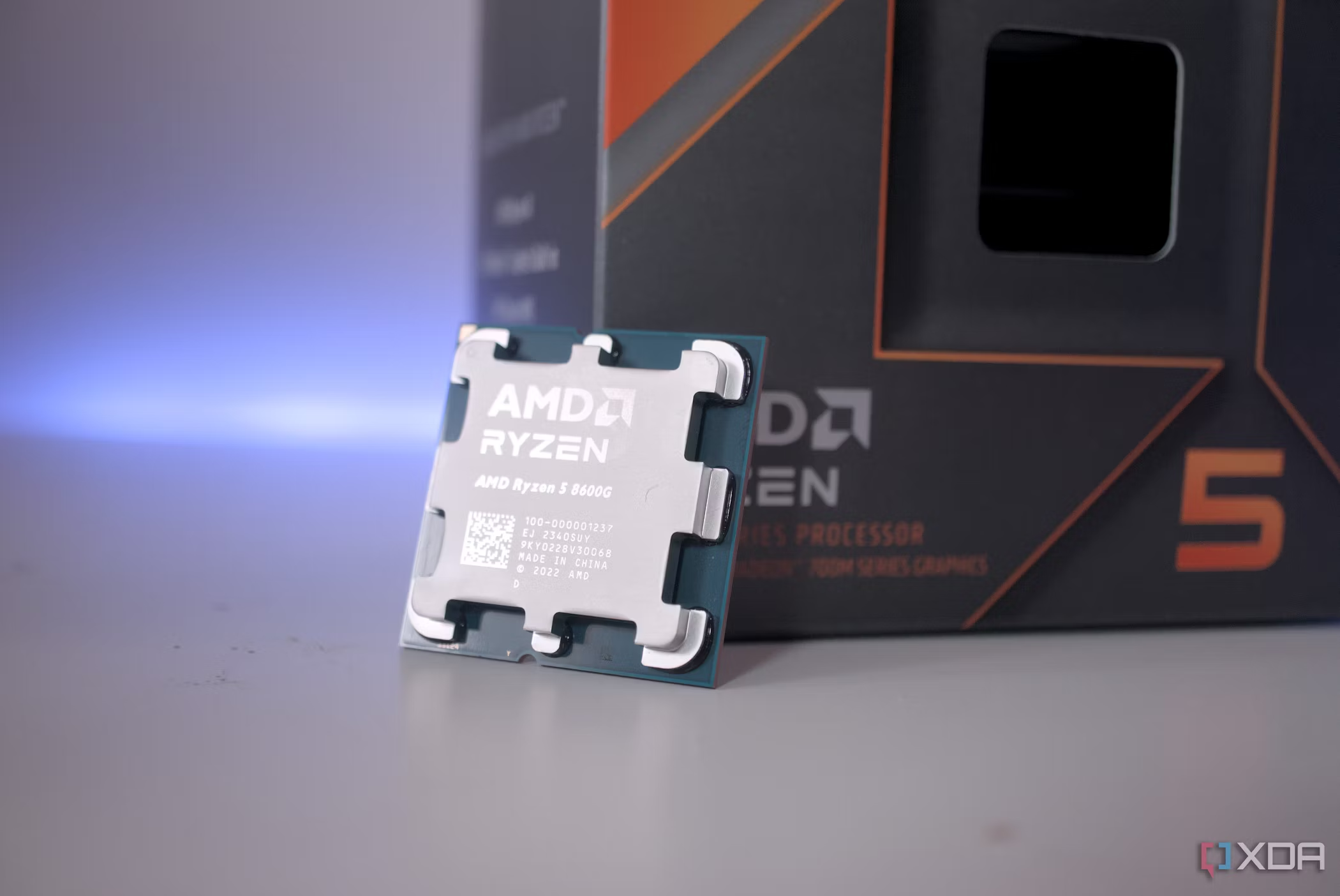
The $298 Ryzen 7 8700G stands as AMD’s premier APU, offering the fastest integrated graphics performance available. It enables decent 1080p gaming without the need for a discrete GPU, though its high price makes it a niche choice. For those seeking a more budget-friendly option, the $181 Ryzen 5 8600G delivers approximately 90% of the 8700G’s performance at a significantly lower cost. While both chips benefit from AMD’s Hyper-RX suite, including Radeon Super Resolution and AMD Fluid Motion Frames, the 8600G provides a good balance between performance and price.
The Ryzen 5 8600G features six Zen 4 CPU cores and an RDNA 3 GPU with eight compute units (CUs). It utilizes the AM5 platform, compatible with B650 and A620 motherboards, and requires DDR5 memory. Although the 8600G supports only 16 PCIe 4.0 lanes compared to the PCIe 5.0 support of other AM5 processors, this limitation is unlikely to affect most users in this segment. For those seeking a more affordable APU option, the Ryzen 5 5600G remains a viable choice.